
Androidtoolreleasev271 2021 May 2026
Why this matters beyond the command line Tooling like this shapes developer experience in ways that ripple outward: less time debugging device quirks, more predictable CI runs, fewer ad hoc workarounds. Those small efficiency gains compound across projects and organizations, improving release cadence and developer morale. In that sense, v271 is less an update and more an infrastructural nudge toward smoother workflows.
A modest but meaningful step If you’re the sort of person who notices when your device scripts stop crashing, v271 will feel like a gift. If you measure a tool’s value by its ability to get out of your way, this release is a reminder that steady refinement can be more transformative than headline features. In the long arc of developer tools, releases like androidtoolreleasev271 are the quiet scaffolding that lets bigger innovations stand tall. androidtoolreleasev271
The trade-off: momentum vs. maturity There’s a cultural trade-off here. Projects that chase visible novelties attract attention; those that prioritize maturity build quieter, deeper utility. androidtoolreleasev271 seems to choose the latter, and that’s important context. Users seeking flash may be disappointed; teams needing rock-solid tooling will appreciate the discipline. Why this matters beyond the command line Tooling
Polish over spectacle The hallmark of v271 is polish. Bug fixes that shave seconds off common tasks, tighter error handling that turns inscrutable failures into actionable messages, and more consistent cross-device behavior. For users who’ve wrestled with flakey flashing, weird permission errors, or ambiguous logs, these quieter fixes matter more than a marquee feature. They’re the cumulative sanity-savers that make a tool dependable in real workflows. A modest but meaningful step If you’re the
Security and trustworthiness Stability-focused releases often include subtle security hardening: safer defaults, tightened permission flows, and clearer guidance around sensitive operations. Even absent dramatic security advisories, these quiet improvements reinforce trust. For organizations that automate device interactions, trust in tooling is a form of operational capital.
Developer empathy This release reads like it was written by people who watch their tool being used. Defaults are kinder; command-line feedback is clearer; scripts that broke on fringe setups are made resilient. Those decisions don’t land in changelogs with fireworks, but they’re the sort of empathetic design that grows loyalty. When tooling respects the developer’s time and mental bandwidth, productivity follows.
What’s notable about v271 isn’t a single headline feature but the cumulative effect of many small, deliberate improvements. The release reads like an insistence on reliability and developer ergonomics over flashy bells and whistles. That’s an editorially interesting choice in an ecosystem that too often equates “new” with “bigger” rather than “better.”


Hola, muy buen post. Me sirvió mucho. Eso si, creo que hayun pequeño error de tipeo:
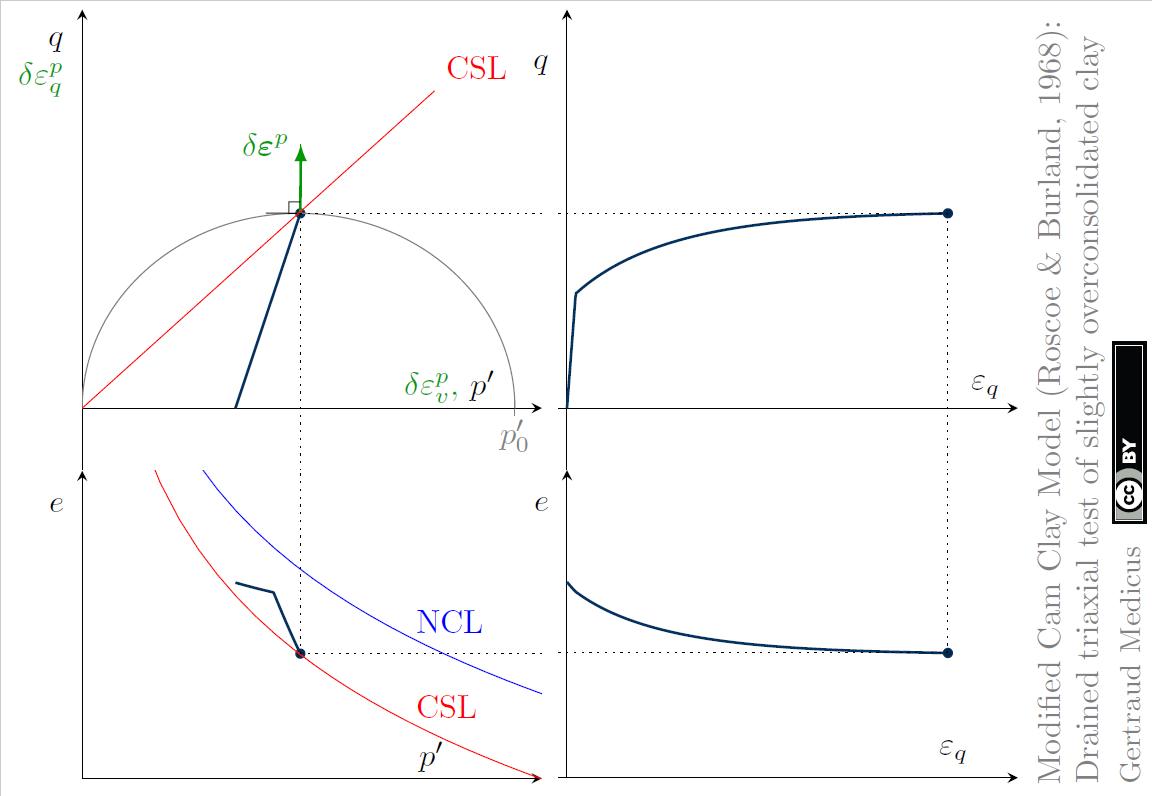
“Contractivos (Δu>1): Tienden a consolidar. Se da en suelos sueltos y arcillas normalmente consolidadas (NC).
Dilatante (Δu0y Δu<0 cierto??
Gracias
Hola, Esteban
Me alegro que te haya servido. En este caso no hay un error, en los suelos contractivos, cuando se ejerce la carga aumentan las presiones de poro. Al revés con los dilatantes.
Saludos.
Creo que se refiere a que en la imagen el valor critico para la dilatancia o contraccion es el 0 y luego en el texto es 1.
Eso si, muy buen post, simple dentro de lo complejo.
Hola, Benjamin.
Es cierto que se contradice. Lo reviso, gracias!
Buenos días,
Como se determinan las presiones de cámara en un ensayo triaxial CD, cuando de van a ensayar las 3 probetas? Cual es proporción de incremento adecuada entre cada una de esas presiones? Gracias
Hola, pues eso depende de tu proyecto.
Hay que preguntarse en qué condiciones estará sometido el suelo durante la construcción y la puesta en servicio.
Normalmente la primera es la actualmente tiene in situ, en función de su profundidad. La tercera sería las condiciones de servicio, por ejemplo, cuando construyamos la presa o el terraplen, o entre en carga la cimentación. La segunda, pues uno intermedio.
Saludos.
Ignacio
Gracias amigo. Solo me ha quedado una duda con el ensayo UU. En el blog mencionas que debe saturarse primero. Me parece que esa no es una condición estrictamente valida, ya que se entiende que el ensayo rápido no da tiempo para que el material sature, como ejemplo puede ser el realizar el ensayo UU y representar que sucederia si estas construyendo un dique y necesitas saber las condiciones de estabilidad. Sin embargo, el saturar la muestra, y luego ensayarla te podria dar valores menores de parámetros de resistencia cortante y utilizar ello para tu análisis y ser conservador. Yo considero que antes de realizar un ensayo es importante comprender como se va comportar el suelo y en función a ello desarrollar el análisis. Muchas gracias por tu blog, me he tomado el tiempo de leer, me quedan algunos pasos por profundizar pero muy bueno.
Martin, es necesario saturar el material de lo contrario va a haber efectos de succión que no pueden ser medidos y no es posible generar el analisis de esfuerzos efectivos que se necesita para determinar los valores de resistencia.
Hola Nacho, para mi este ensayo es muy importante y hay cosas que se hacen por costumbre pero que se pueden cambiar a mejor. Me explico, la presión de poro, por ejemplo, siempre se puede medir en la célula triaxial tanto si se hace un ensayo UU, como uno CD, el asunto radica en configurar el equipo y los sensores convenientemente.
Para mí, si cuando se hace un triaxial se le diera al cliente los datos de los sensores además de las curvas de rotura, el cliente podría comprobar si el ensayo realmente es UU o CD ya que muchas veces la elección de velocidades de rotura no son correctas, la nuestra drena mal por lo que sea, etc.
En resumen, este ensayo tan importante debe realizarse por técnicos especializados tanto en laboratorio, como en cálculo de resultados.
La formación es muy importante!!!