Be cautious when searching for free PDF downloads from unofficial sources, as they might pose risks to your device's security or compromise the author's intellectual property. Prioritize official sources or reputable online platforms to ensure you're accessing the content safely and supporting the creators.
If you're interested in reading "La Hija del Sastre," consider exploring the alternatives mentioned above. You might also want to look into literary platforms, online book clubs, or local libraries that offer access to Spanish literature and works by Carmen Martín Gaite.
The story revolves around the life of the protagonist, who returns to her hometown after a period of time away. As she navigates her relationships with her family, friends, and acquaintances, she begins to confront her own sense of self and the societal expectations placed upon her. Through her experiences, the author masterfully weaves together a narrative that touches on issues of feminism, tradition, and personal growth.
You're looking for information on "La Hija del Sastre" and its availability as a PDF on Google Drive.
"La Hija del Sastre" is a novel written by Spanish author, Carmen Martín Gaite. The book, which translates to "The Tailor's Daughter" in English, was first published in 1976. It's a critically acclaimed work that explores themes of identity, family, love, and social class in a small Spanish town during the post-civil war period.
MASSAGE
SEND
×The message has been sent!
In the near future we will reply to you.
Regards WDS
|
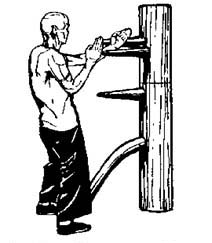
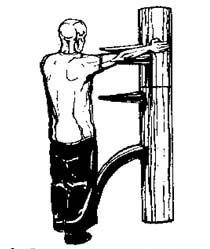
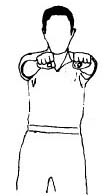
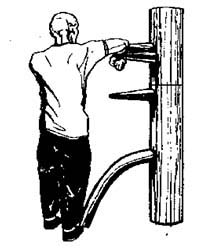
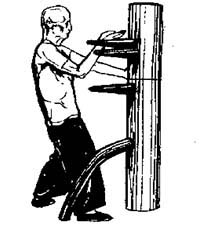
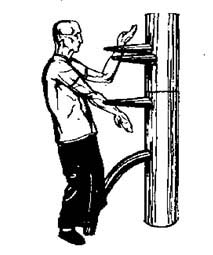
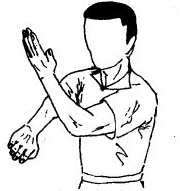
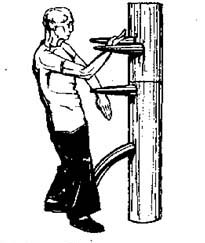
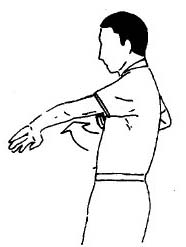
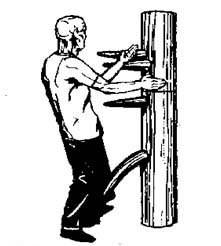
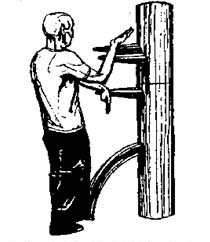
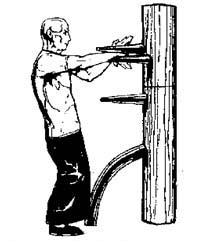
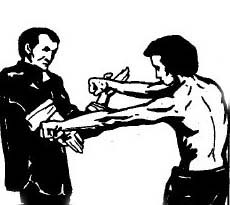
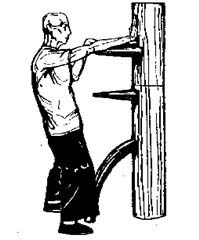
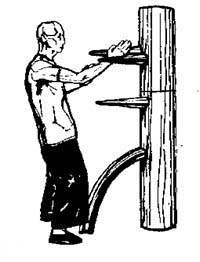
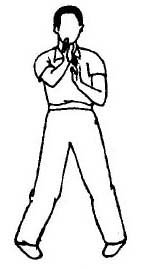
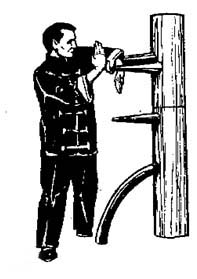
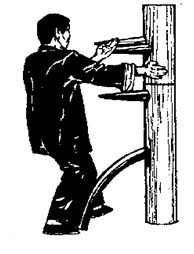
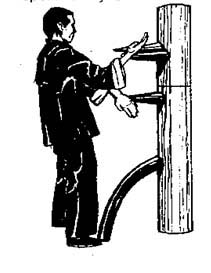
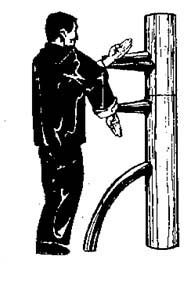
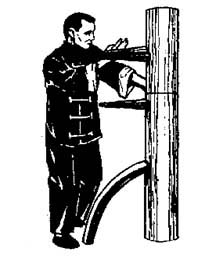
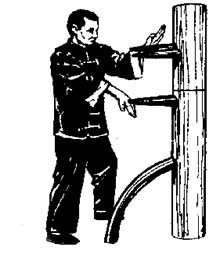
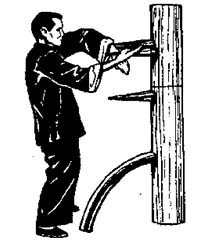
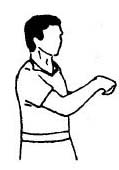
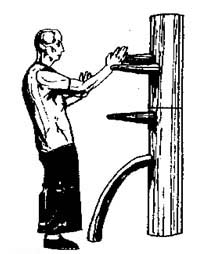
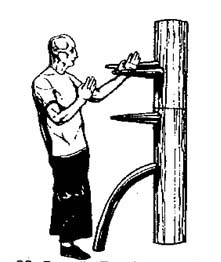
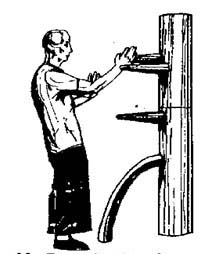
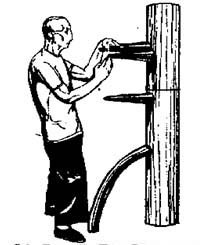
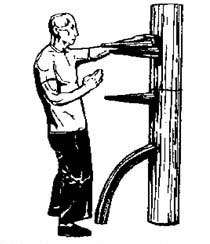
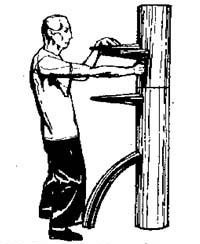
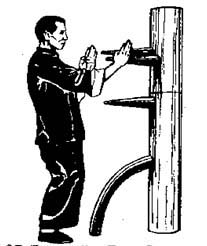
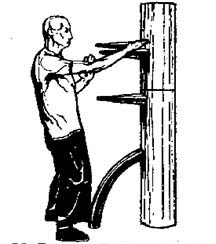
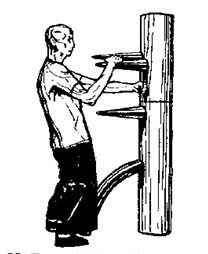
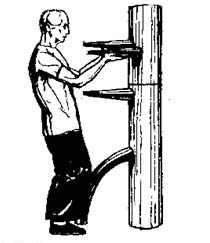
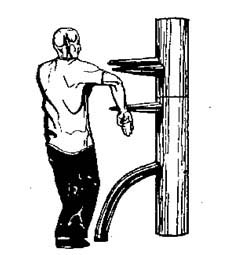
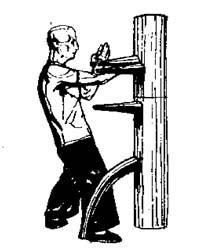
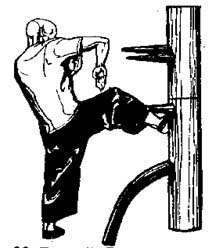
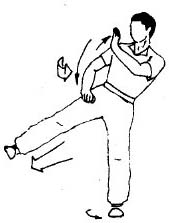
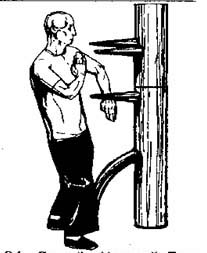
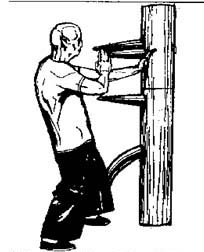
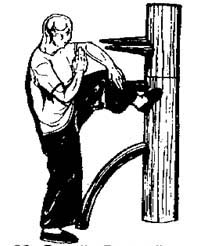
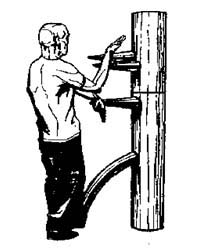
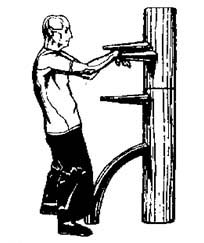
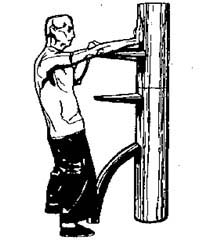
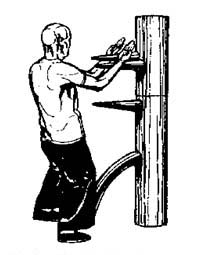
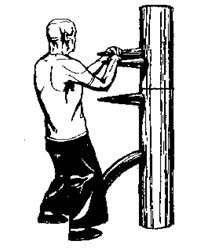
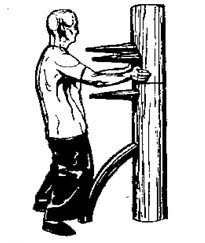
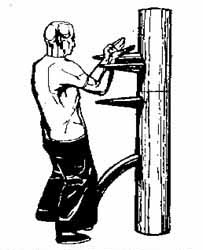
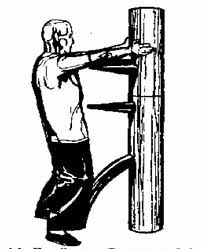
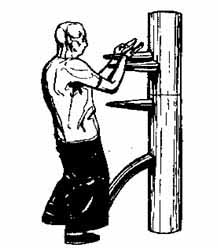
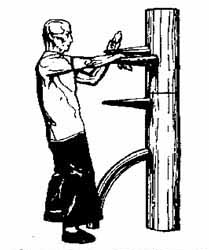
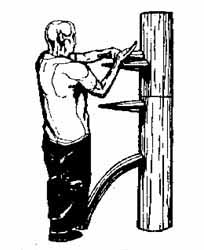
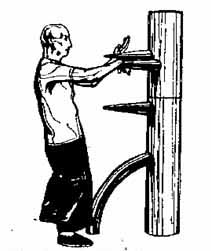
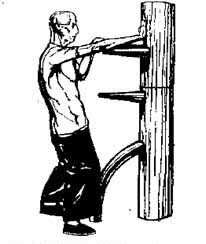
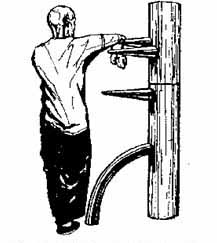
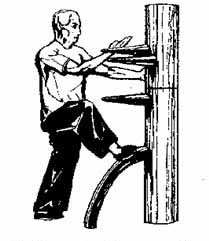
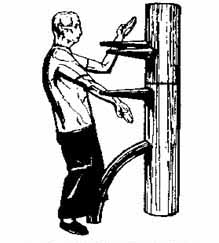
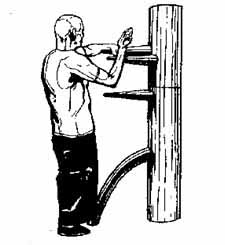
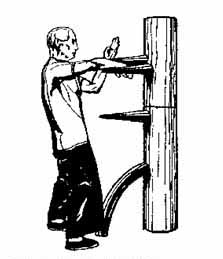
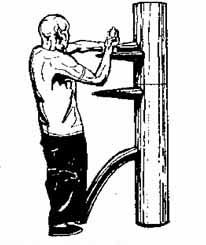
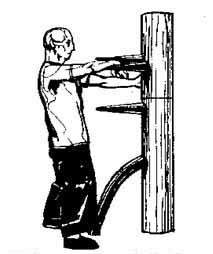
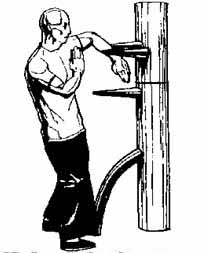
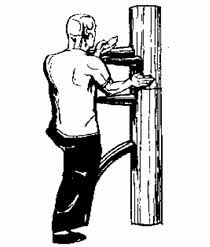
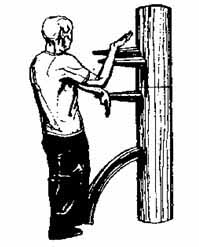
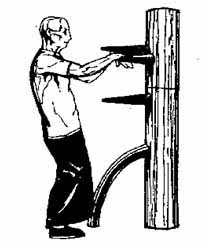
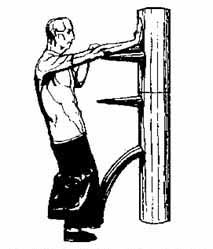
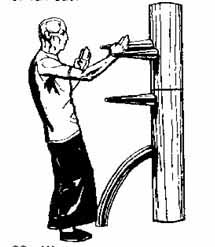
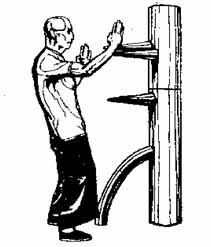
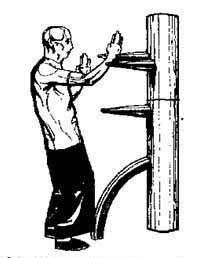
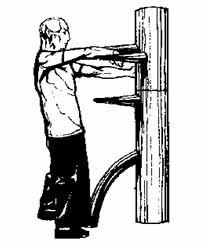
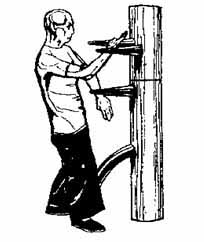
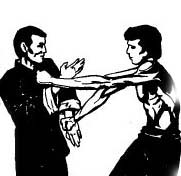
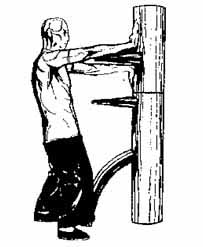
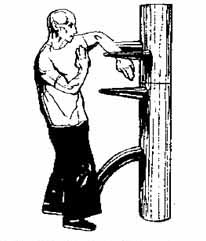
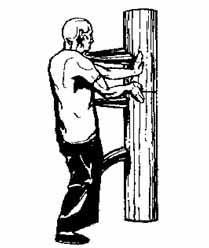
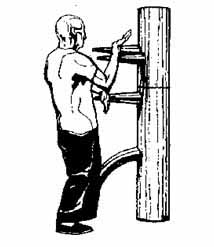
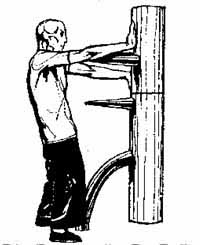
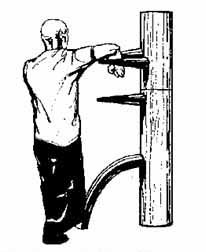
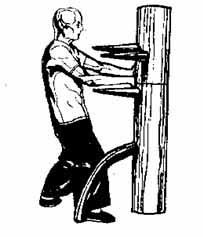
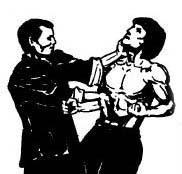
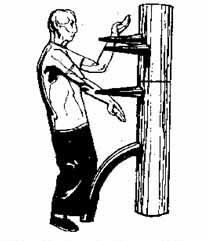
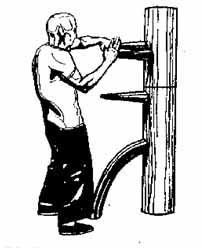
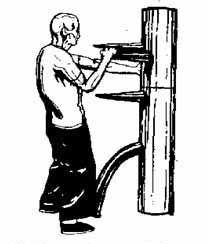
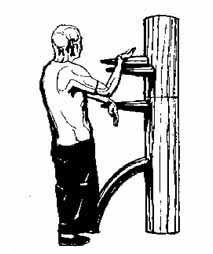
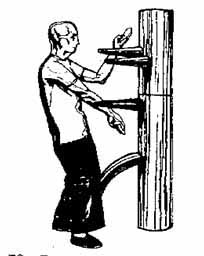
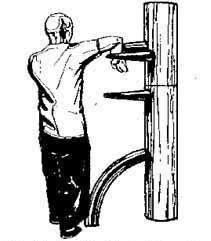
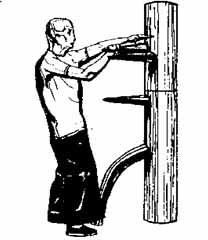
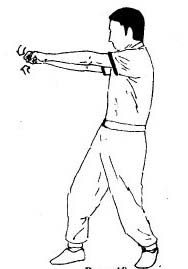
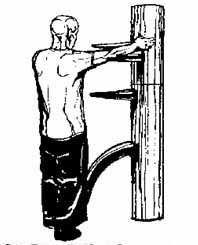
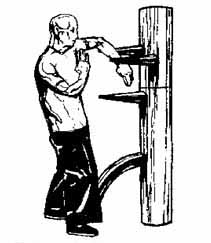
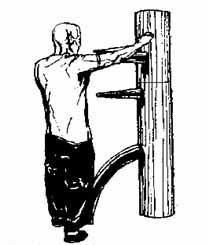
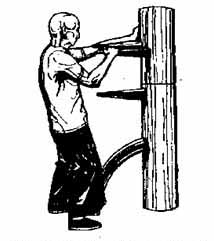
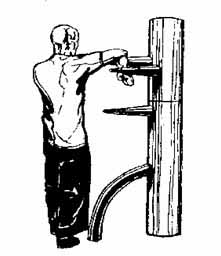
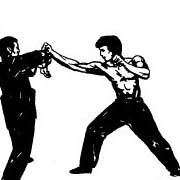
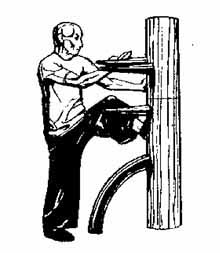
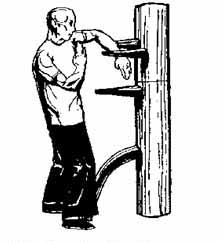
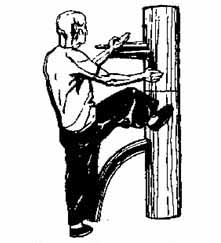
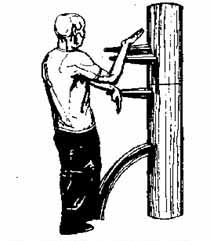
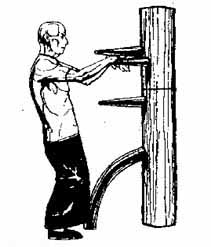
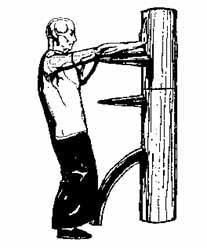
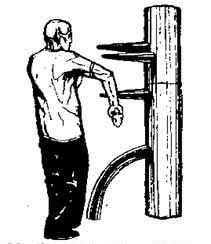
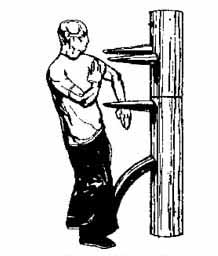
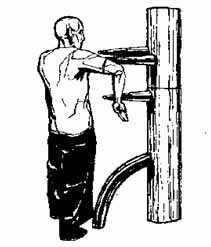
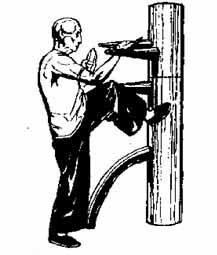
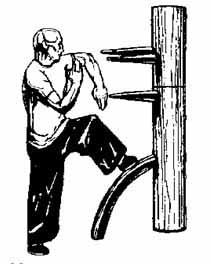
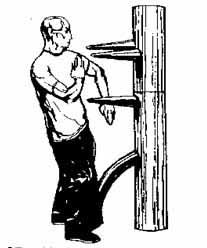
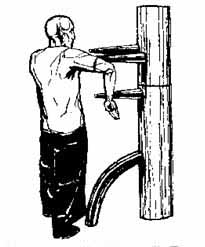
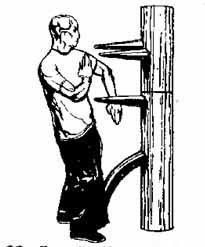
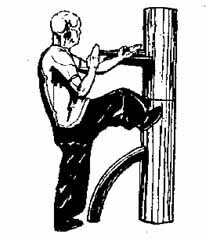
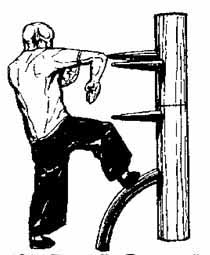
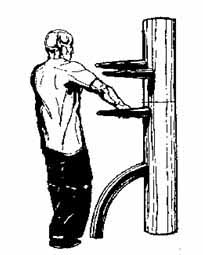
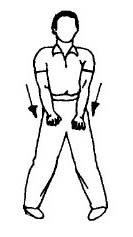
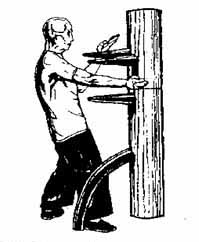
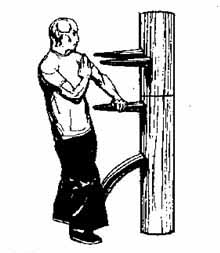
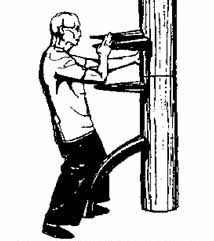
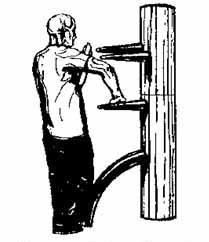
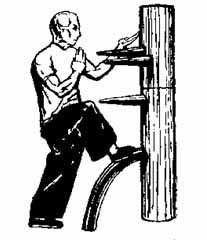
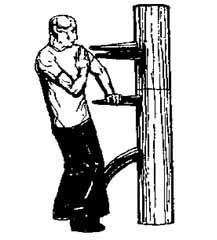
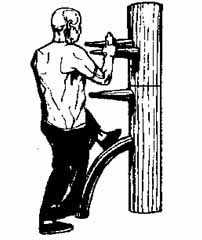
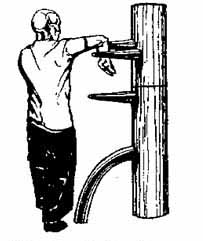
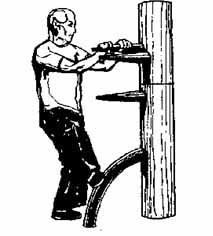
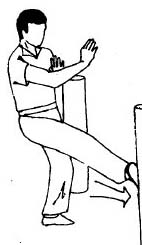
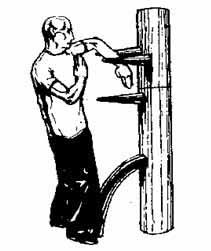
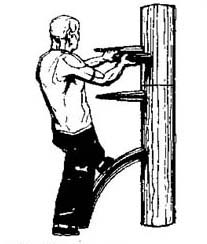
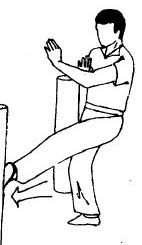
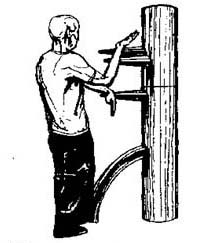
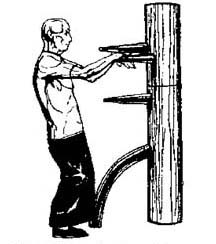
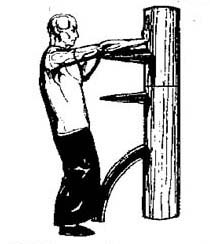
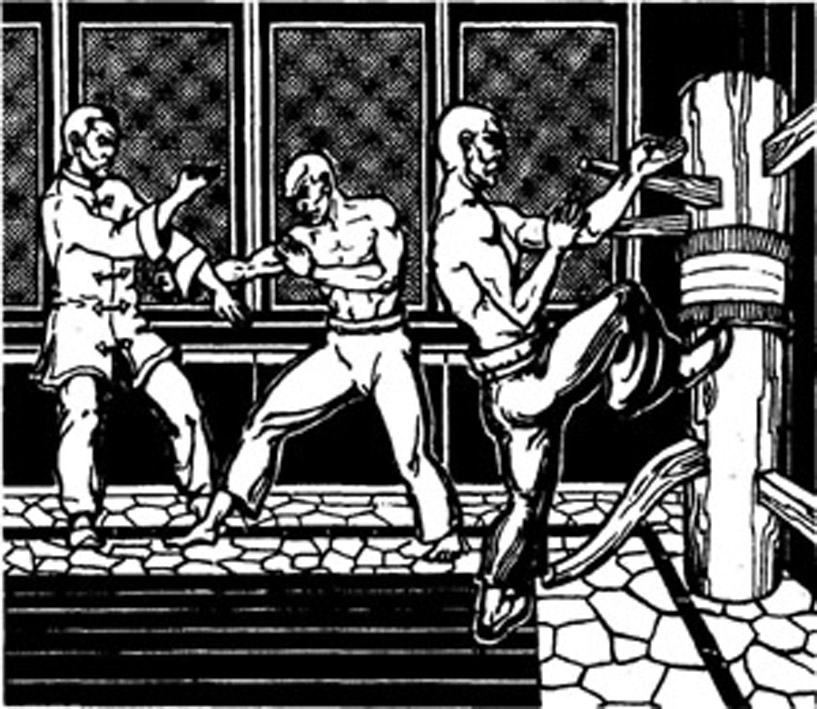
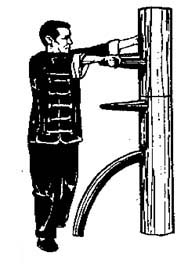
The Dummy - a versatile design, the system of life and knowledge generated of nowhere. The story of the dummy requires a separate investigation and treatment of the ancient treatises, and primary sources. But enough evidence to suggest that the history of a WD the longer of Wing Chun history as an independent style. Will there be a dummy to before create a Wing Chun or Wing Chun has appeared before - difficult to resolve the problem, which requires special studies.

|
| SECTION 1 | ||
![]() |
![]() |
![]() |
![]() |
![]() |
![]() |
![]() |
![]() |
![]() |
![]() |
![]() ![]() |
![]() |
![]() |
![]() |
![]() |
![]() |
![]() ![]() |
![]() |
![]() |
![]() ![]() |
![]() |
![]() |
![]() |
![]() |
![]() |
![]() |
![]() |
![]() |
![]() |
![]() |
| SECTION 2 | ||
![]() |
![]() |
![]() |
![]() |
![]() |
![]() |
![]() |
![]() |
![]() |
![]() |
![]() ![]() |
![]() |
![]() |
![]() |
![]() |
![]() |
![]() ![]() |
![]() |
![]() |
![]() ![]() |
![]() |
![]() |
![]() |
![]() |
![]() |
![]() |
![]() |
![]() |
![]() |
![]() |
| SECTION 3 | ||
![]() |
![]() |
![]() |
![]() |
![]() |
![]() |
![]() |
![]() |
![]() |
![]() |
![]() |
![]() |
![]() |
![]() |
![]() |
![]() |
![]() ![]() |
![]() |
![]() |
![]() |
![]() |
![]() |
![]() |
![]() |
![]() |
![]() ![]() |
![]() |
![]() |
||
| SECTION 4 | ||
![]() |
![]() |
![]() |
![]() |
![]() |
![]() |
![]() |
![]() |
![]() |
![]() |
![]() |
![]() |
![]() |
![]() ![]() |
![]() |
![]() |
![]() |
![]() |
![]() |
![]() |
![]() |
![]() |
![]() |
![]() |
![]() |
![]() |
![]() |
| SECTION 5 | ||
![]() |
![]() ![]() |
![]() |
![]() |
![]() ![]() |
![]() |
![]() |
![]() ![]() |
![]() |
![]() |
![]() ![]() |
![]() |
![]() |
![]() ![]() |
![]() |
![]() |
![]() ![]() |
![]() |
![]() |
![]() |
![]() |
![]() |
![]() |
![]() |
![]() |
![]() |
![]() |
![]() |
![]() |
![]() |
![]() |
![]() |
![]() |
![]() |
![]() |
![]() |
![]() |
![]() |
![]() |
![]() |
![]() |
![]() |
![]() |
![]() |
![]() |
![]() |
![]() |
![]() |
![]() |
![]() ![]() |
![]() |
![]() |
![]() |
![]() |
![]() |
![]() ![]() |
![]() |
![]() |
![]() |
![]() |
![]() |
![]() |
![]() |
![]() |
![]() |
![]() |
| SECTION 6 | ||
![]() |
![]() |
![]() |
![]() |
![]() |
![]() |
![]() |
![]()
|
![]() |
![]() |
![]() |
![]() |
![]() |
![]() |
![]() |
![]() |
![]() ![]() |
![]() |
![]() |
![]() |
![]() |
![]() |
![]() ![]()
|
![]() |
![]() |
![]() |
![]() |
![]() |
![]() ![]()
|
![]() |
![]() |
![]() |
![]() |
![]() |
![]() ![]()
|
![]() |
![]() |
![]() |
![]() |
![]() |
![]() |
![]() |
![]() |
![]() |
![]() |
| SECTION 7 | ||
![]() |
![]() |
![]() |
![]() |
![]() |
![]() |
![]() |
![]() |
![]() |
![]() |
![]() ![]() |
![]() |
![]() |
![]() |
![]() |
![]() |
![]() |
![]() |
![]() |
![]() ![]() |
![]() |
![]() |
![]() |
![]() |
![]() |
![]() |
![]() |
![]() |
![]() ![]() |
![]() |
![]() |
![]() |
![]() |
![]() |
![]() ![]() |
![]() |
![]() |
![]() |
![]() |
![]() |
![]() |
![]() |
![]() |
![]() |
![]() |
| SECTION 8 | ||
![]() |
![]() |
![]() |
![]() |
![]() |
![]() |
![]() |
![]() |
![]() |
![]() |
![]() ![]() |
![]() |
![]() |
![]() |
![]() |
![]() |
![]() |
![]() |
![]() |
![]() |
![]() |
![]() |
![]() |
![]() |
![]() |
![]() ![]() |
![]() |
![]() |
![]() |
![]() |
![]() |
![]() |
![]() |
![]() |
![]() ![]() |
![]() |
![]() |
![]() |
![]() |
![]() |
![]() ![]() |
![]() |
![]() |
![]() |
![]() |
![]() |
![]() ![]() |
![]() |
![]() |
![]() |
![]() |
![]() |
![]() ![]() |
![]() |
![]() |
![]() |
![]() |
![]() |
![]() ![]() |
![]() |
![]() |
![]() |
![]() |
![]() |
![]() |
![]() |
![]() |
![]() |
![]() |
![]() |
![]() |
![]() |
![]() |
![]() |
![]() |
Be cautious when searching for free PDF downloads from unofficial sources, as they might pose risks to your device's security or compromise the author's intellectual property. Prioritize official sources or reputable online platforms to ensure you're accessing the content safely and supporting the creators.
If you're interested in reading "La Hija del Sastre," consider exploring the alternatives mentioned above. You might also want to look into literary platforms, online book clubs, or local libraries that offer access to Spanish literature and works by Carmen Martín Gaite. la hija del sastre book pdf google drive
The story revolves around the life of the protagonist, who returns to her hometown after a period of time away. As she navigates her relationships with her family, friends, and acquaintances, she begins to confront her own sense of self and the societal expectations placed upon her. Through her experiences, the author masterfully weaves together a narrative that touches on issues of feminism, tradition, and personal growth. Be cautious when searching for free PDF downloads
You're looking for information on "La Hija del Sastre" and its availability as a PDF on Google Drive. You might also want to look into literary
"La Hija del Sastre" is a novel written by Spanish author, Carmen Martín Gaite. The book, which translates to "The Tailor's Daughter" in English, was first published in 1976. It's a critically acclaimed work that explores themes of identity, family, love, and social class in a small Spanish town during the post-civil war period.