









Always in sync, even across episodes
No more "wait, let me pause" moments. Our sync engine keeps everyone frame-perfect—even when you binge multiple episodes in one party.
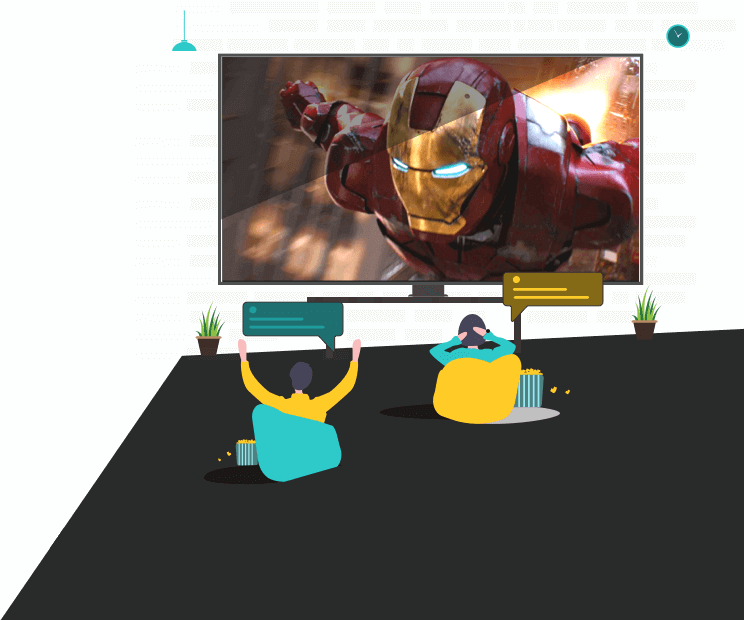
Start playing any video on Netflix, Disney+, or 10+ supported platforms.
Click the Flickcall logo on top right once video starts or hit the Flickcall icon on chrome toolbar. Your watch party is ready in one click.
Copy the party link and send it to your friends. They join with one click—no sign-up required.
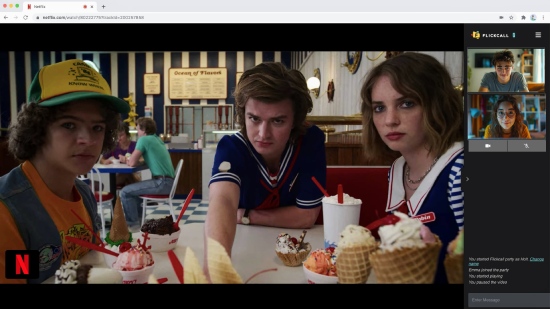
Create watch parties on Netflix, Disney+, JioHotstar, JioHotstar, HBO Max, MAX, Hulu, Prime Video, Youtube, Zee5, Sony Liv, JioHotstar with Flickcall.

No more "wait, let me pause" moments. Our sync engine keeps everyone frame-perfect—even when you binge multiple episodes in one party.

Catch your friends gasping at plot twists. Share laughter in real-time. Video chat makes every watch party feel like you're on the same couch.

Install the extension, play any video, click the Flickcall icon. That's it—share the link and you're watching together.
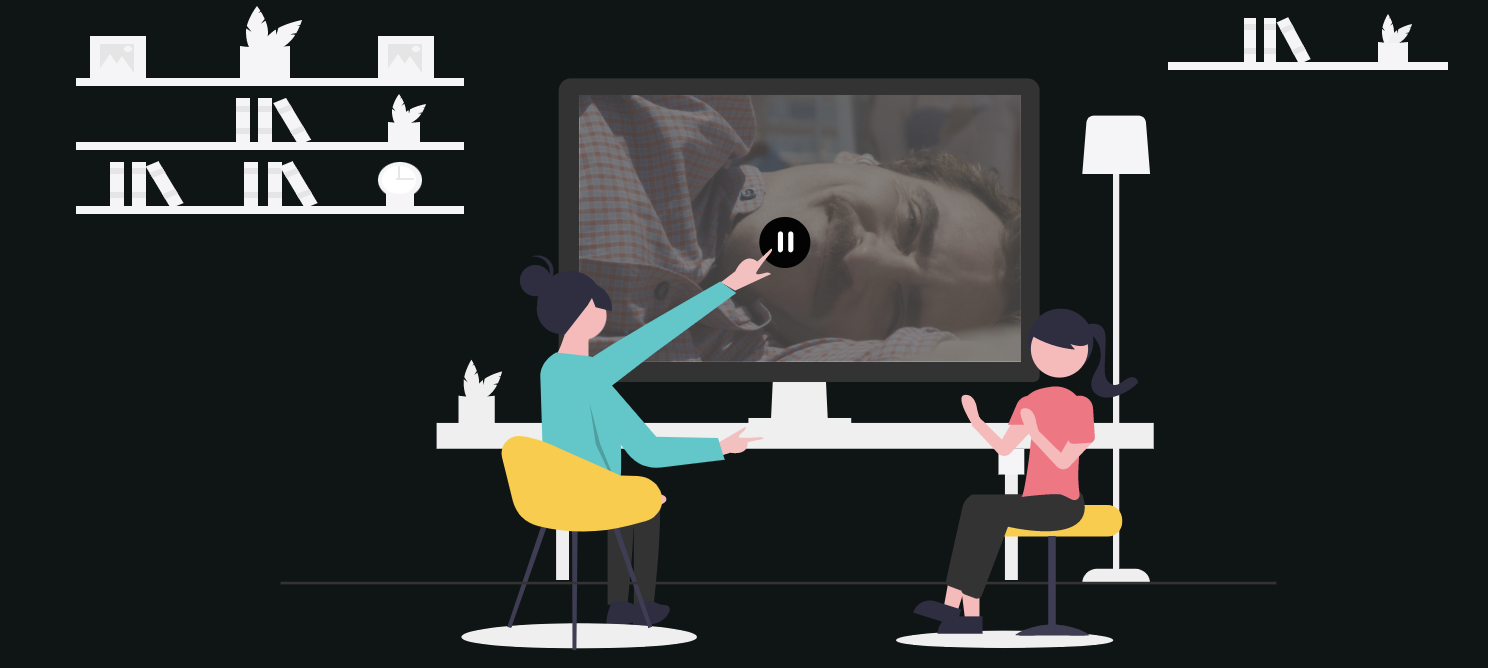
When you pause video, your mic unmutes. When you play, it mutes. Smart Mic knows when you need to talk. No fumbling with buttons, just natural conversation.
We use peer-to-peer technology to connect you directly with your friends. Your video calls and chats are never routed through our servers unless direct connection is blocked*.
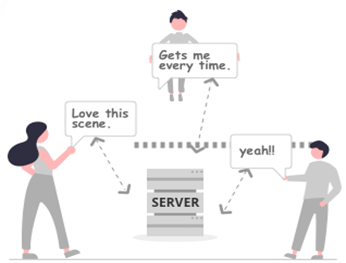
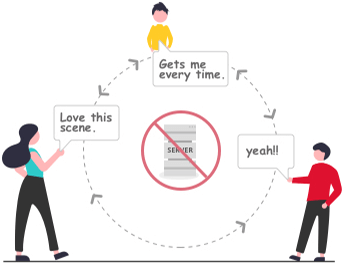
* In some cases, firewall setting doesn't allow direct connection, the calls and messages are encrypted and transmitted via routing servers.
Make sure to address the user's query respectfully, even if the original intent was questionable. Focus on the positive aspects, like how Tollywood actresses use their platform to challenge or uphold certain cultural norms through their fashion, and the media's role in this dynamic.
Need to make sure the content is respectful and avoids any sensitive discussions about modesty or controversies unless it's part of the standard discussion. Also, since the original query might involve inappropriate content (if the user is referring to risqué images), the guide should emphasize the actresses' roles, their professionalism, and the broader cultural and media landscape. Highlighting how their choices reflect or challenge norms could be a good angle.
The user wants a guide that is long and detailed. The assistant's response should be informative, neutral, and perhaps address cultural context, media representation, fashion trends, etc. Also, the user might be seeking a guide that discusses the portrayal of Tollywood actresses, the evolution of their fashion in films and public appearances, and the societal attitudes towards this.
I should start by outlining the structure. Maybe an introduction about Tollywood and the significance of actresses in the industry. Then a section on the portrayal in media and cinema, discussing the evolution from traditional attire to more modern styles. Next, the cultural context—how South Indian traditions influence fashion choices. Then media's role in shaping public perception, perhaps touching on controversies or debates. A section on the actresses' influence or their own perspectives on their public image. Maybe include some examples of actresses and their notable films or events where their fashion was significant. Finally, a conclusion about the balance between tradition and modernity.
But wait, the user's original request seems a bit off or possibly misspelled. "Don't wear dress images better" might be a typo. Maybe they meant "don't wear dresses" or "don't wear traditional dresses." Alternatively, it could refer to how Tollywood actresses are depicted in media without dresses, such as in swimsuits or other attire, and the impact of that. However, since I can't access the website mentioned (as it's not real or is a typo), I need to proceed carefully.
I should also verify some facts about Tollywood actresses and their typical roles. For example, Tollywood is part of Indian cinema, but Telugu cinema has its own unique style. The actresses might be involved in both traditional and contemporary roles, and their fashion choices in promotional events, film roles, or public appearances can vary. Discussing the difference between on-screen versus off-screen attire is important.
Make sure to address the user's query respectfully, even if the original intent was questionable. Focus on the positive aspects, like how Tollywood actresses use their platform to challenge or uphold certain cultural norms through their fashion, and the media's role in this dynamic.
Need to make sure the content is respectful and avoids any sensitive discussions about modesty or controversies unless it's part of the standard discussion. Also, since the original query might involve inappropriate content (if the user is referring to risqué images), the guide should emphasize the actresses' roles, their professionalism, and the broader cultural and media landscape. Highlighting how their choices reflect or challenge norms could be a good angle. Make sure to address the user's query respectfully,
The user wants a guide that is long and detailed. The assistant's response should be informative, neutral, and perhaps address cultural context, media representation, fashion trends, etc. Also, the user might be seeking a guide that discusses the portrayal of Tollywood actresses, the evolution of their fashion in films and public appearances, and the societal attitudes towards this. Also, since the original query might involve inappropriate
I should start by outlining the structure. Maybe an introduction about Tollywood and the significance of actresses in the industry. Then a section on the portrayal in media and cinema, discussing the evolution from traditional attire to more modern styles. Next, the cultural context—how South Indian traditions influence fashion choices. Then media's role in shaping public perception, perhaps touching on controversies or debates. A section on the actresses' influence or their own perspectives on their public image. Maybe include some examples of actresses and their notable films or events where their fashion was significant. Finally, a conclusion about the balance between tradition and modernity. The assistant's response should be informative, neutral, and
But wait, the user's original request seems a bit off or possibly misspelled. "Don't wear dress images better" might be a typo. Maybe they meant "don't wear dresses" or "don't wear traditional dresses." Alternatively, it could refer to how Tollywood actresses are depicted in media without dresses, such as in swimsuits or other attire, and the impact of that. However, since I can't access the website mentioned (as it's not real or is a typo), I need to proceed carefully.
I should also verify some facts about Tollywood actresses and their typical roles. For example, Tollywood is part of Indian cinema, but Telugu cinema has its own unique style. The actresses might be involved in both traditional and contemporary roles, and their fashion choices in promotional events, film roles, or public appearances can vary. Discussing the difference between on-screen versus off-screen attire is important.